Search
The story of rArtisan: Rethinking sustainable labeling for premium wine
How quality-driven thinking inspired Les Jamelles and Avery Dennison to develop a new solution
Recycled materials have long carried a trade-off in premium wine. The environmental credentials are there, but the tactile quality, opacity and print consistency have historically been harder to guarantee. For brands that have spent years building shelf presence on the strength of their visual identity, that gap has been difficult to ignore.
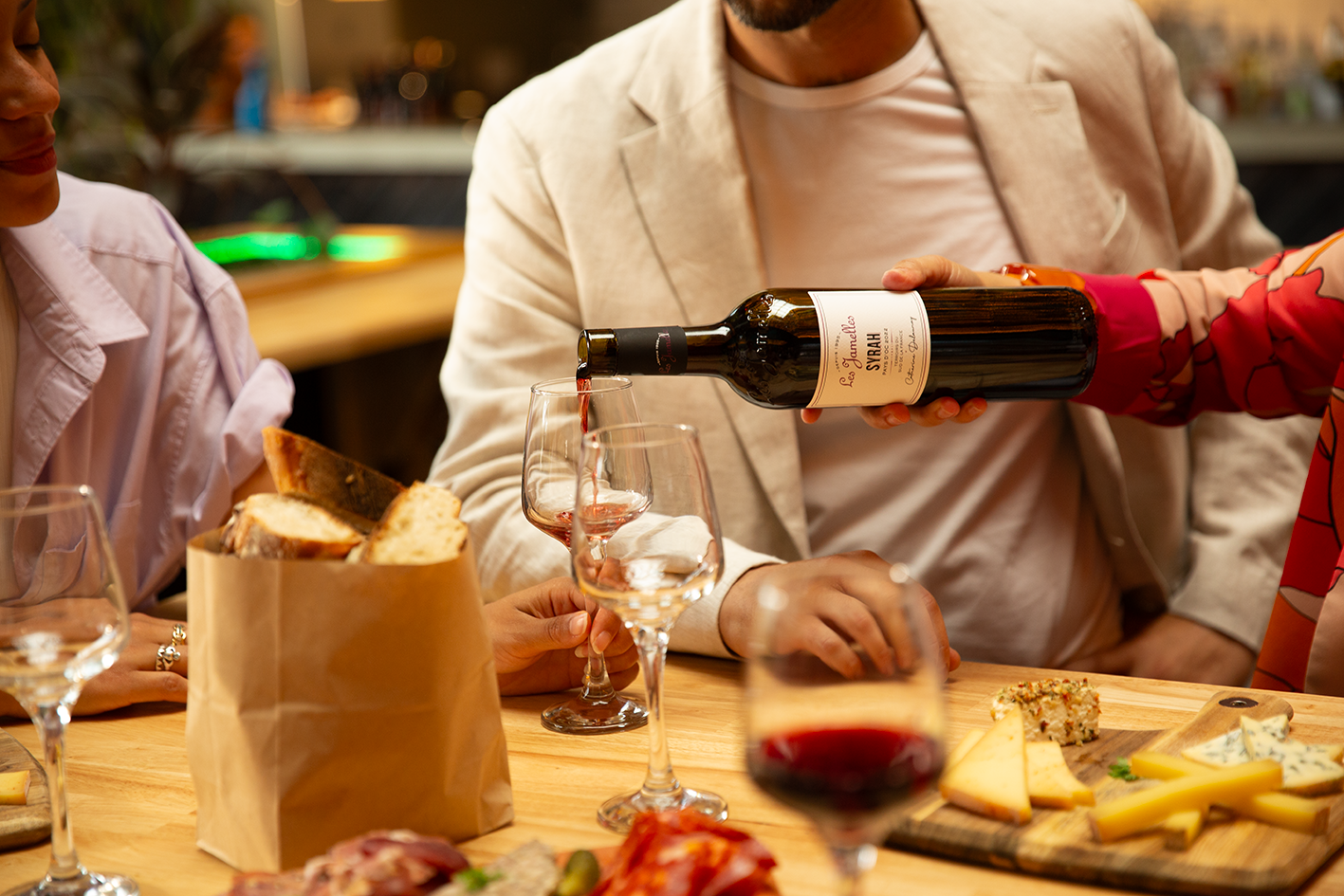
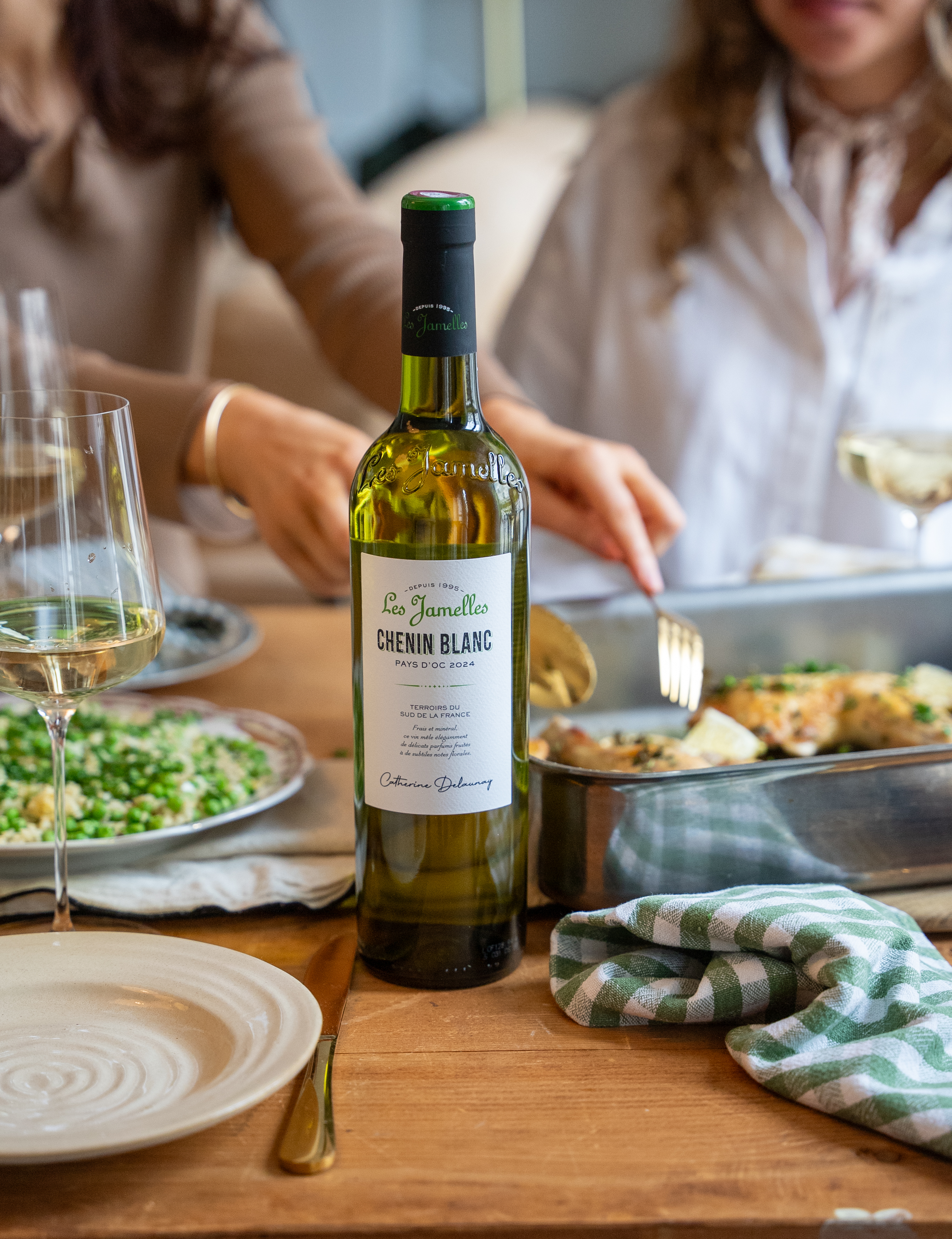
Les Jamelles, the southern French varietal wine brand founded in 1995 by oenologist Catherine Delaunay and present in more than 60 countries, decided not to accept it. Rather than selecting from existing options, the brand initiated a specific study into label paper — one that would eventually lead to the development of Fasson® rArtisan. Les Jamelles is the first brand to adopt it, rolling it out across their entire range in collaboration with us and Jacquelin, a printing company based in Beaune.
The rArtisan project didn't emerge in isolation. It is the latest step in a structured eco-design programme that Les Jamelles and the wider group DELAUNAY Vins & Domaines have been pursuing since 2019. The first focus was glass. Working with glassmaker Verallia, the brand reduced bottle weight from 630g to 500g, then to 420g, with the most recent reduction fully effective from 2026, saving up to 176 tons of glass and 57.5 tons of CO2 per year in France. The label was the logical next chapter. "Les Jamelles is the group's historic and most iconic brand," says Jeanne Delaunay, at DELAUNAY Vins & Domaines. "It is therefore naturally through this brand that we have chosen to implement the most visible and most engaging aspects of our CSR strategy."
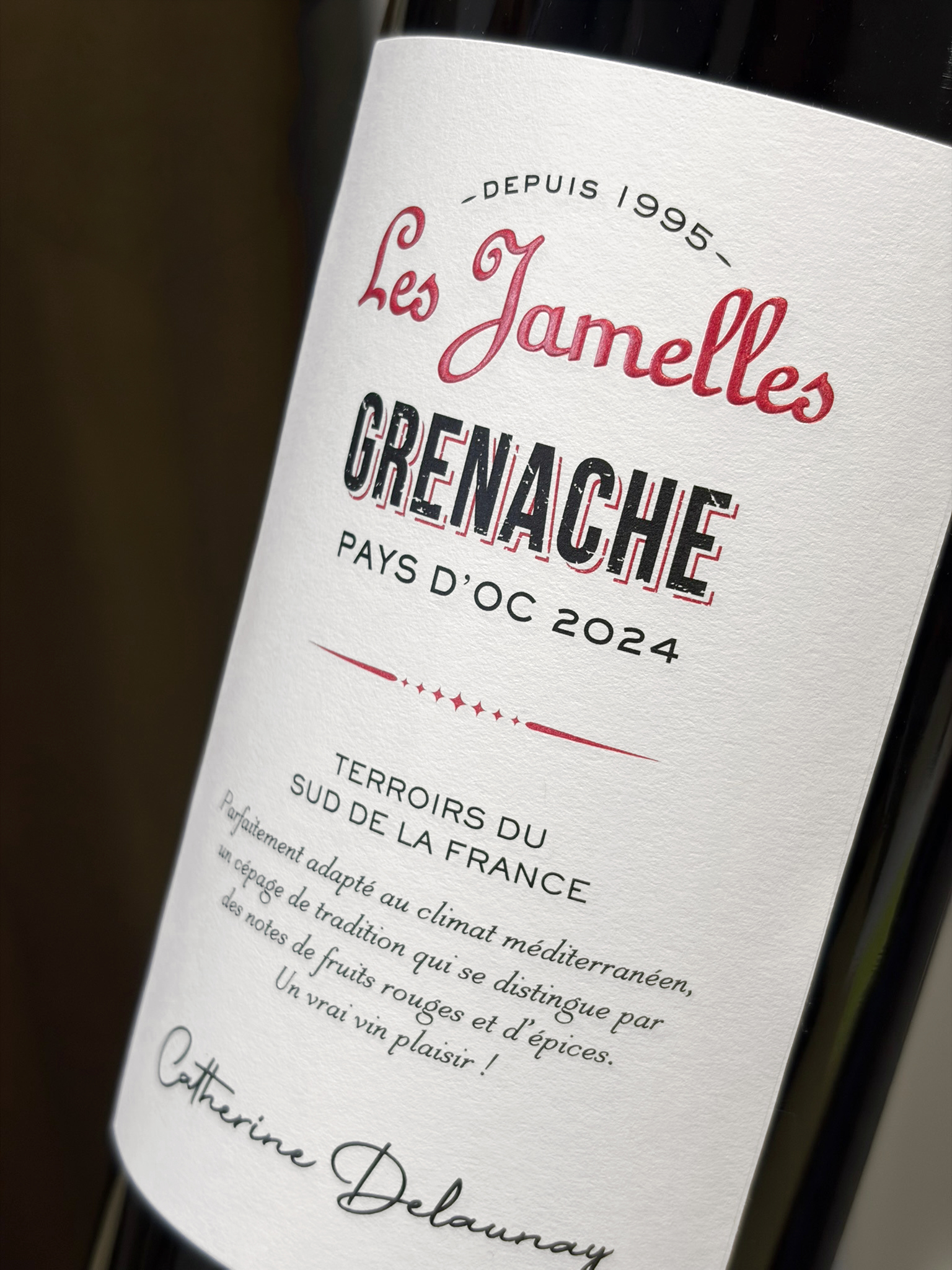
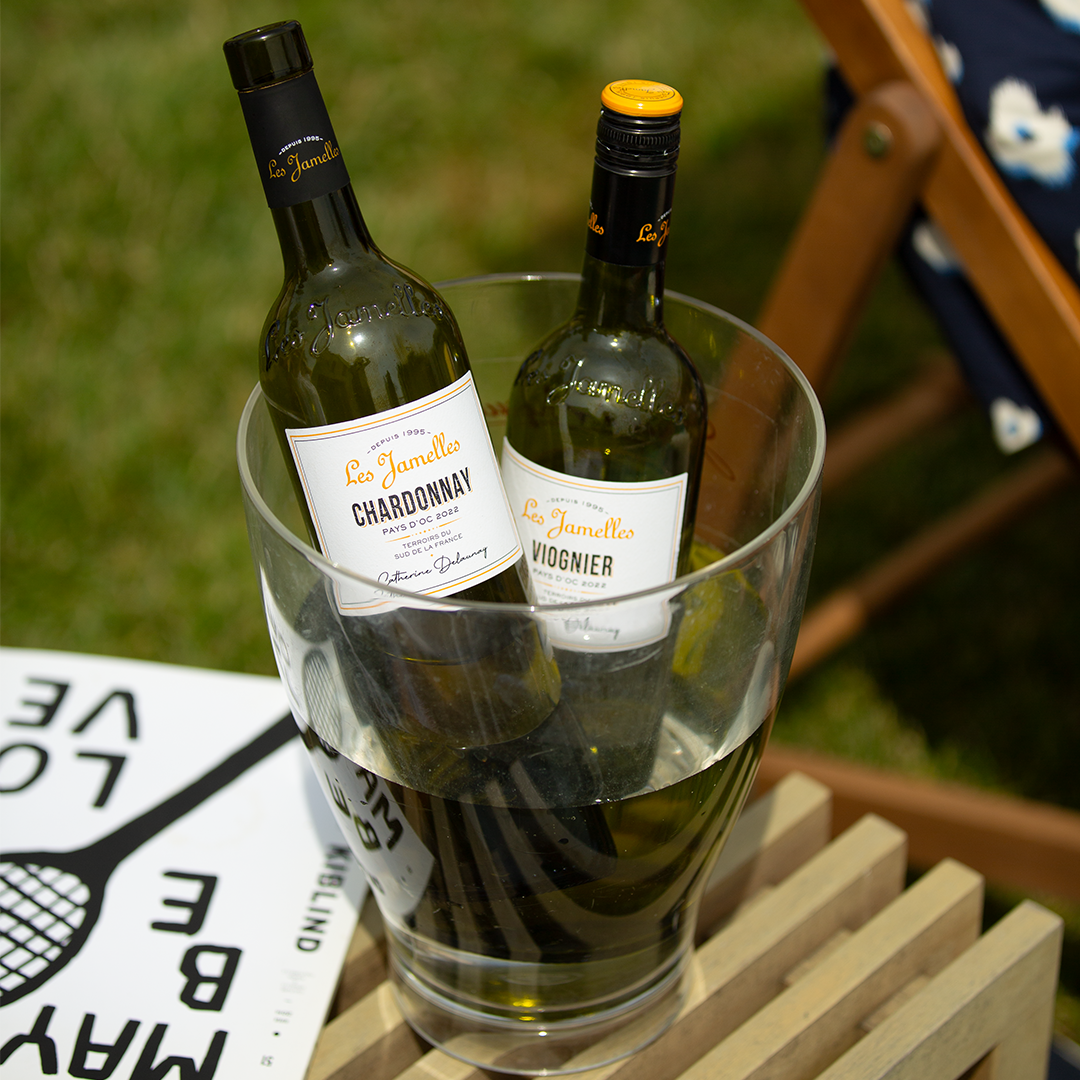
Fasson® rArtisan is distinguished by a combination of properties that have proved difficult to achieve together in recycled papers: a natural white tone, a matte uncoated surface with a subtly felted finish, and strong opacity. The feel is authentically tactile without sacrificing the print definition that premium labeling demands. For wine specifically, performance in ice-bucket conditions is a baseline requirement — particularly for whites and sparkling wines. rArtisan meets that standard. "This material offers exceptional opacity, meeting the strictest requirements for resistance to ice buckets," says Marc Millet, Business Development Manager, Premium Labeling Solutions at Avery Dennison. "Its natural whiteness, its specific texture and its authentic feel enhance its sensory appeal, opening up new design possibilities on 100% recycled paper."
Crucially, the material was designed to integrate rather than disrupt. The graphic codes of Les Jamelles remain unchanged across the range — rArtisan works within the existing visual identity, adding a more responsible and authentic dimension without asking the brand to redesign around it. "When a partner like Delaunay wants to enhance the eco-design of its packaging, we mobilize all our expertise to support them," says Marc. "This collaboration allows us to bring to market an innovative and more sustainable solution."
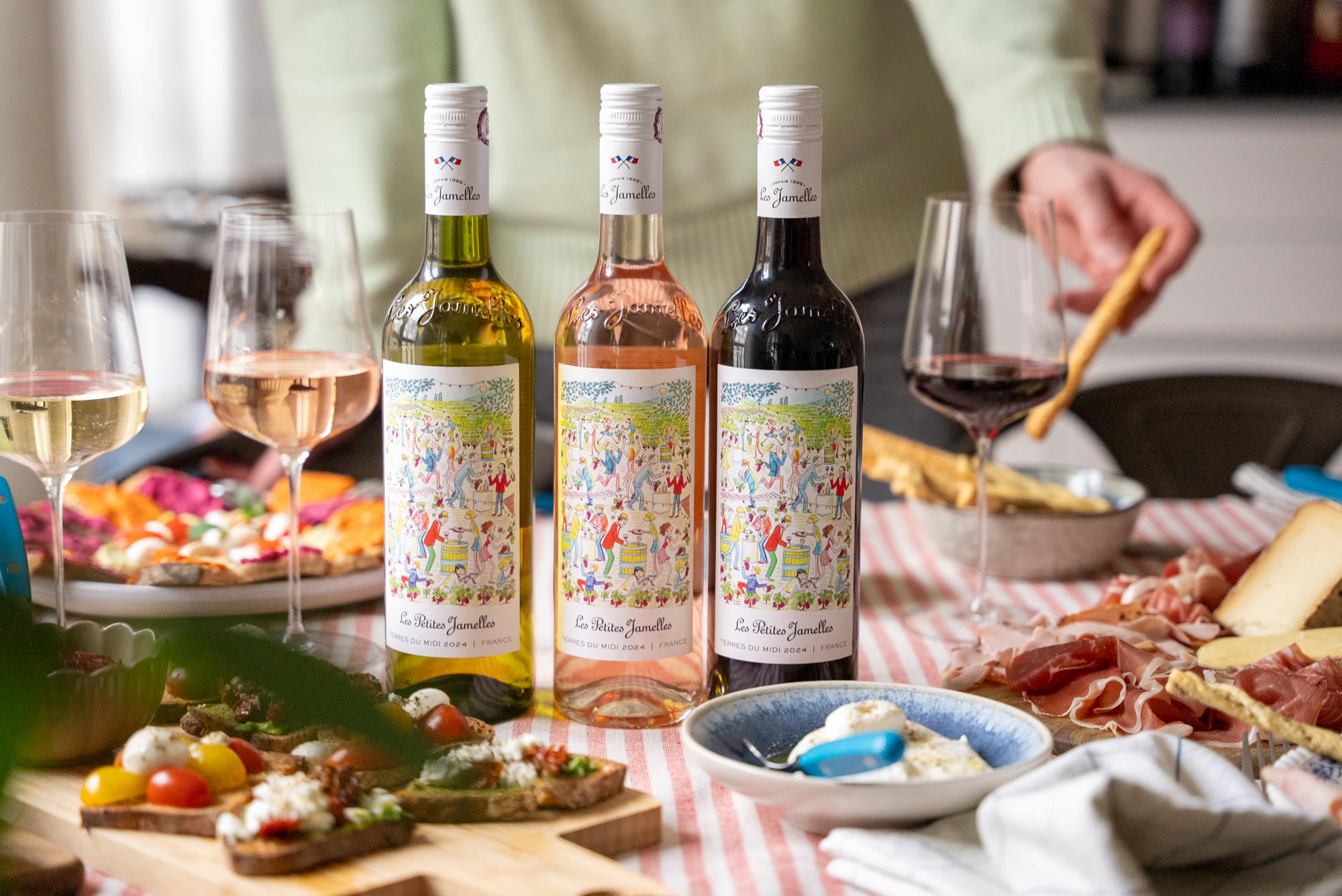
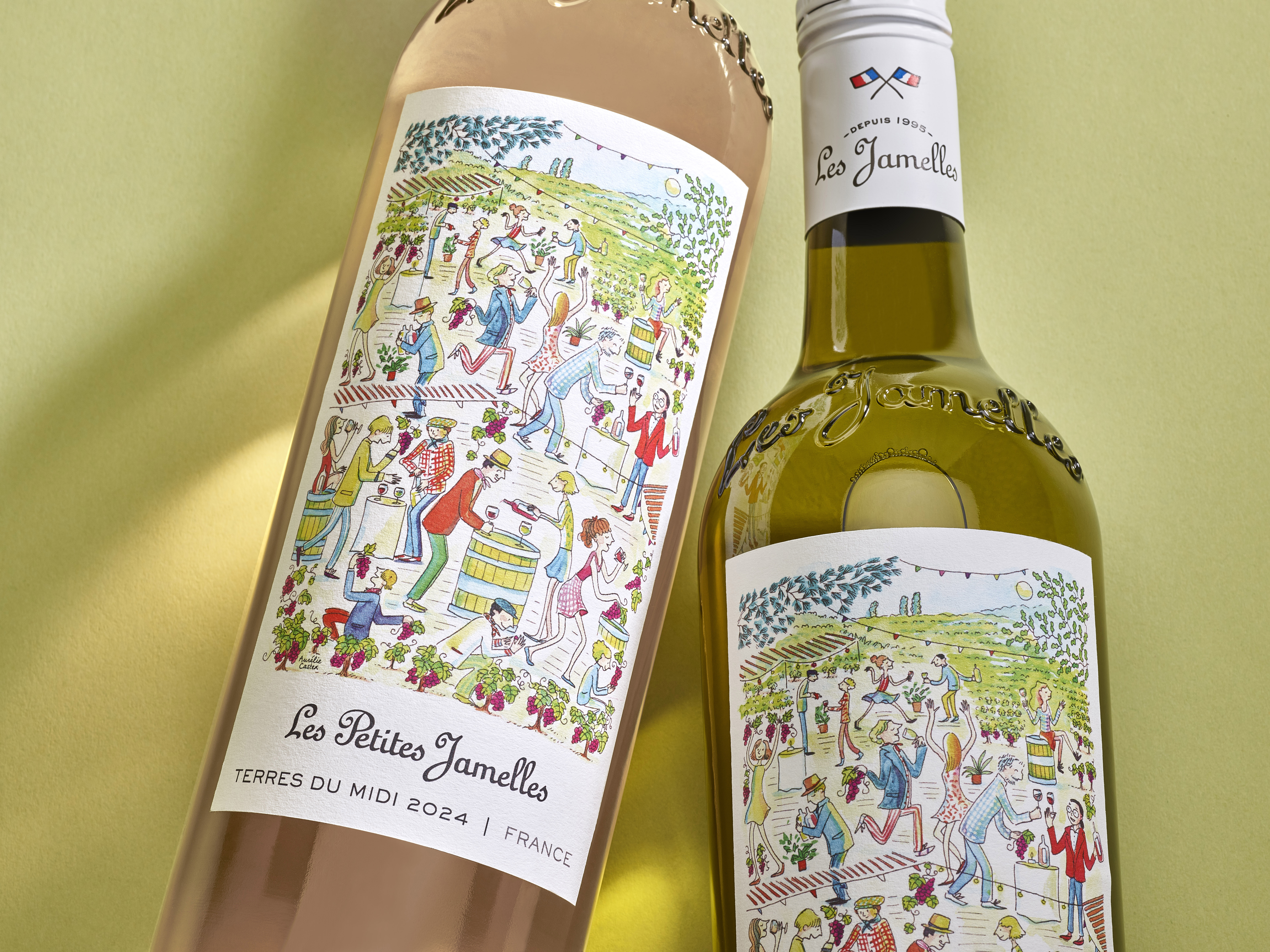
What makes this project worth attention is its architecture. The move to rArtisan is part of the group's STEP strategy — Society, Team, Excellence, Planet — in which each improvement is designed to build on the last rather than stand alone. "The work carried out on Fasson® rArtisan paper is fully aligned with this approach," says Jeanne. "A concrete, easily understood innovation that reflects our commitment to moving forward in a structured and progressive manner."
For us, the project shows what becomes possible when material development is driven by a genuine brief. rArtisan exists because Les Jamelles asked for something that didn't yet exist — and the result is now available to any premium wine or spirits brand navigating the same tension between quality and responsibility.